
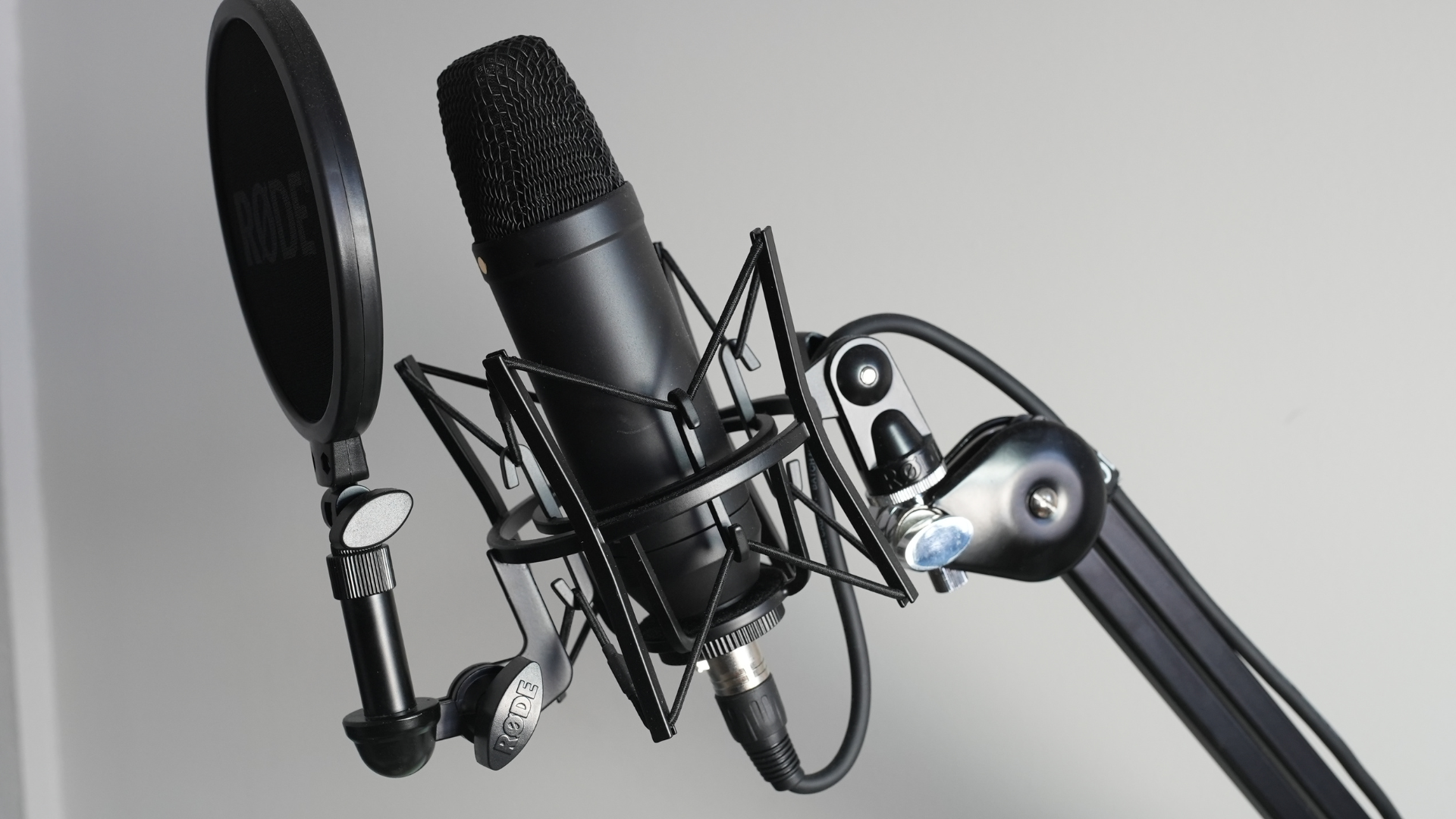
Microphone types significantly influence audio recording quality. The choice of a microphone can determine how accurately a sound is captured, affecting clarity, tone, and depth. From dynamic to condenser microphones, each type has unique characteristics that can enhance or hinder a recording, depending on the environment and intended use.
Understanding the differences between microphones allows content creators to select the best tools for their projects. Factors such as frequency response, sensitivity, and directionality play crucial roles in achieving high-fidelity recordings. Adapting the right mic for the right situation leads to a noticeable improvement in audio quality, which is essential for any serious recording endeavor.
As the landscape of audio production evolves, mastering these microphone types becomes increasingly important for professionals and enthusiasts alike. By exploring how each type affects recording quality, one can make more informed decisions that elevate their overall sound experience.
Fundamentals of Microphone Types
Different microphone types influence recording quality based on their design and intended use. Understanding the distinctions among them is crucial for achieving optimal audio results.
Dynamic Microphones vs. Condenser Microphones
Dynamic microphones use a diaphragm attached to a coil, which moves within a magnetic field to produce an audio signal. They excel in handling high sound pressure levels, making them ideal for loud sound sources, like guitars and drums.
Condenser microphones utilize a capacitor system, requiring external power known as phantom power. They are sensitive to a wider frequency range and capture nuances in vocals and instruments. While they deliver a clearer and more detailed audio signal, they are prone to distortion at high volumes. The choice between these microphones often hinges on the recording environment and audio source.
Lavalier and Ribbon Microphones Explained
Lavalier microphones, also known as lapel mics, are small and can be clipped to clothing for discreet recordings. Their design allows for hands-free usage, making them popular for interviews and presentations. They typically produce a natural sound quality but may require additional equipment for optimal performance.
Ribbon microphones use a thin metallic ribbon that vibrates in response to sound waves. They provide a warm, vintage tone ideal for capturing vocals and strings. However, they are delicate and sensitive, requiring careful handling.
Choice of Microphone Type and Its Impact on Audio
The choice of microphone type significantly impacts the captured audio quality. Dynamic microphones are robust and often used in live settings, while condenser microphones shine in controlled studio environments.
Lavalier microphones offer versatility and convenience but might convey less warmth than larger models. Ribbon microphones can add character to recordings, but may not be suitable for high-volume situations.
Understanding these variations assists in selecting the appropriate microphone for specific applications, enhancing the overall recording experience.
How Microphone Types Influence Recording Quality
Different microphone types have distinct impacts on audio quality, especially in regard to sensitivity, frequency response, and handling background noise. This section discusses their influence on recording vocals and highlights optimal uses for each type.
Sensitivity and Frequency Response
Microphone sensitivity refers to how well a microphone converts sound waves into electrical signals. High-sensitivity microphones can capture quieter sounds, making them ideal for delicate performances.
Frequency response indicates the range of sound frequencies a microphone can pick up. A flat frequency response is typically preferred for accurate audio reproduction.
Condenser microphones exhibit wide frequency ranges and high sensitivity, suitable for studio settings. In contrast, dynamic microphones, while less sensitive, are robust and handle high sound pressure levels, making them excellent for live performances.
Handling Background Noise
Background noise can significantly affect recording quality, and different microphones have various capabilities to mitigate this issue.
Directional microphones like cardioid types focus on sound from the front while rejecting noise from the sides and back. This design is effective in isolating the desired audio source, especially in noisy environments.
Omnidirectional microphones, on the other hand, pick up sound from all directions. This can be beneficial in certain recording scenarios but may introduce unwanted ambient noise. Understanding these differences helps in selecting microphones based on specific recording contexts.
Suitability for Recording Vocals
Vocal recording requires careful consideration of the microphone type to ensure clarity and depth in audio.
Dynamic microphones are often chosen for live vocal performances due to their durability and ability to handle high sound levels without distortion. However, they may not capture all the nuances present in a vocal performance.
Condenser microphones are favored for studio recordings, providing rich tonal detail and capturing the subtleties of vocals. These microphones are particularly sensitive, making them ideal for soft singing or spoken word.
Optimal Uses for Each Microphone Type
Choosing the right microphone goes beyond just type; it involves application.
For live performances, dynamic microphones are optimal due to their resistance to feedback and durability.
In studio settings, condenser microphones shine for instruments and vocals, allowing for high-quality audio production.
Ribbon microphones can also be used for specific tasks like mellowing harsh sounds in brass or string instruments. Attention to these characteristics allows for better audio quality across different recording scenarios.
Key Factors That Affect Recording Results
The quality of audio recordings depends on several essential factors. These factors include the microphone’s polar patterns, placement techniques, the recording environment, and the use of stereo techniques.
Polar Patterns and Directionality
Microphones feature various polar patterns, which define their sensitivity to sound from different angles. Common patterns include cardioid, omnidirectional, and bidirectional.
- Cardioid: Captures sound primarily from the front, minimizing noise from the sides and rear. Ideal for vocals and instruments in live settings.
- Omnidirectional: Picks up sound equally from all directions. Suitable for recording ambient sounds or group settings.
- Bidirectional: Captures audio from the front and back while rejecting sound from the sides. Effective for interviews between two speakers.
Understanding these patterns helps in selecting the right microphone for specific recording situations.
Microphone Placement Techniques
The placement of a microphone significantly influences sound quality. Close-miking, where the microphone is placed near the sound source, captures detail and minimizes background noise.
Conversely, distant placement allows for the capture of room acoustics and natural reverberations.
- Experimentation: Adjusting the distance and angle from the source can yield different tonal qualities.
- Stand and boom arms: Using stands can help achieve optimal positioning without handling noise.
Correct placement can enhance clarity and richness in recorded audio.
Recording Environment and Room Acoustics
The recording environment plays a crucial role in capturing quality sound. Room acoustics can affect how sound interacts with surfaces, impacting clarity.
- Reflections: Hard surfaces can cause unwanted reflections and standing waves. Southern border sound treatment is often necessary.
- Acoustic treatment: Using foam panels, bass traps, and diffusers can significantly improve sound quality.
A well-treated space minimizes environmental noise, making recordings cleaner and more professional.
Stereo Recording Techniques
Stereo recording techniques enhance depth and spatial quality in audio. By utilizing multiple microphones, one can capture sound from various perspectives.
- A-B technique: Involves placing two microphones a distance apart to capture a natural stereo effect.
- X-Y technique: Uses two microphones at a 90-degree angle to create a focused stereo image.
Balancing the levels and panning can create a rich auditory landscape. Effective stereo recording can greatly improve the listener’s experience.
Accessories and Equipment for Optimal Audio
Choosing the right accessories and equipment can significantly enhance recording quality. The following elements are essential for minimizing unwanted noise and maximizing audio fidelity.
Using Pop Filters and Shock Mounts
Pop filters are crucial for reducing plosive sounds that occur from strong consonants like “p” and “b.” These filters act as a barrier, diffusing the air before it reaches the microphone. Proper placement can diminish the risk of distortion, particularly in vocal recordings.
Shock mounts isolate the microphone from vibrations and handling noise. They suspend the microphone using elastic bands, preventing unwanted reverberations caused by movements or external impacts. Investing in quality shock mounts can greatly improve clarity and reduce background noise.
Audio Interfaces and Mixers
Audio interfaces convert analog signals from microphones into a digital format for recording. A high-quality audio interface improves sound fidelity and adds features like gain control and phantom power for condenser microphones. Choosing a reliable interface can significantly impact the recording process.
Mixers play a key role in balancing sound levels and integrating multiple audio sources. They allow for real-time adjustments while recording, enabling the user to fine-tune levels and equalization on the fly. Using a mixer can enhance the overall production quality, especially in multi-track setups.
Built-In Features and Their Benefits
Many modern microphones come with built-in features that enhance their functionality. A built-in pop filter can offer convenience, although it may not be as effective as a standalone option. Users should evaluate the quality of these features based on their recording environment.
Additionally, microphones with onboard preamps may provide better sound amplification. These built-in preamps can eliminate the need for additional equipment in basic setups. Considering these features can streamline the recording process while maintaining high-quality audio capture.