
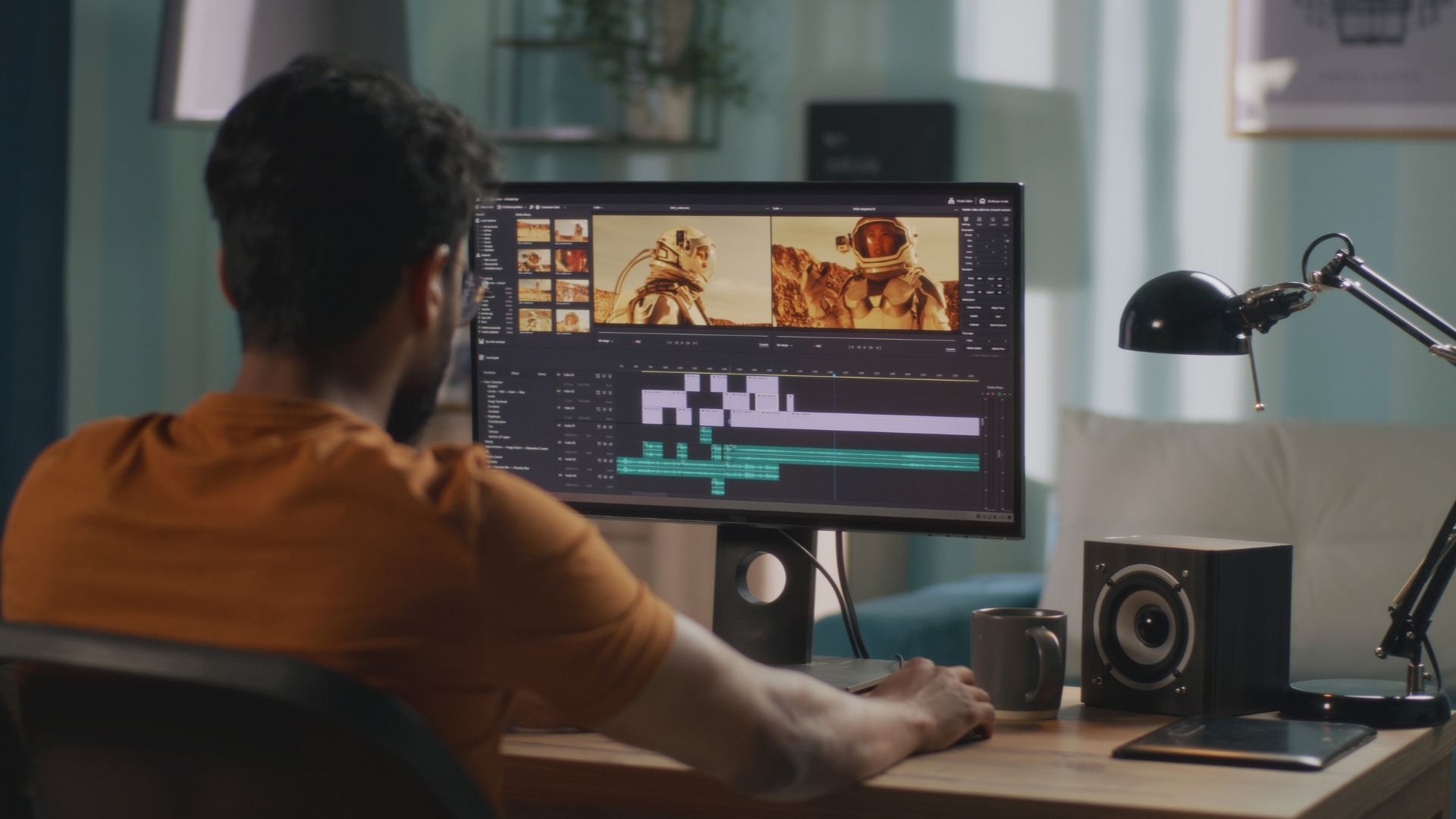
Frame rate is a critical aspect of how video content is perceived and experienced. The frame rate determines the smoothness of motion and can greatly influence the audience’s emotional response to the material. Whether capturing a fast-paced action scene or a slow, contemplative moment, the choice of frame rate profoundly impacts viewer engagement.
Different frame rates can evoke distinct feelings in the audience. For instance, films traditionally shot at 24 frames per second create a cinematic look that feels natural, while higher frame rates like 60 fps offer a sharper clarity that can enhance realism. Understanding these nuances enables creators to tailor their work to better suit their narrative intentions.
The implications of frame rate extend beyond technical execution; they shape the style and mood of the content. Content creators can manipulate this element to draw in viewers or enhance the storytelling experience. By paying attention to frame rate, they can significantly elevate the quality and impact of their video projects.
Core Concepts of Frame Rate and Video Aesthetics
Frame rate plays a crucial role in the aesthetics of video content. Understanding the intricacies of frames per second (FPS) and how they affect viewer perception is essential for appreciating video and motion pictures.
What Is Frame Rate and FPS?
Frame rate refers to the number of individual frames displayed per second in a video. Measured in frames per second (FPS), this metric can significantly influence the look of motion pictures. Common frame rates include 24 FPS, the standard for films, and 30 FPS or 60 FPS, often seen in video games and television.
The choice of frame rate impacts how motion is perceived. Lower frame rates can yield a more cinematic feel, while higher rates improve clarity during fast movements. Each frame captures a moment in time, and altering the frame rate can create different visual experiences.
Frames Per Second Versus Refresh Rate
It is essential to distinguish between frame rate and refresh rate. Frame rate describes how many frames are generated by the source, while refresh rate indicates how often a display updates the image each second, typically measured in Hertz (Hz).
For instance, a display with a refresh rate of 60 Hz can show up to 60 frames per second. If the frame rate exceeds the refresh rate, frames may drop, causing choppy motion. A mismatch between these two rates can negatively impact the viewing experience.
Frame Rate’s Role in Motion Smoothness
Frame rate plays a pivotal role in achieving motion smoothness in video content. At 24 FPS, motion may appear choppier; this is often associated with a traditional film look. Increasing the frame rate to 30 FPS or 60 FPS enhances smoothness, making fast actions more fluid.
Higher frame rates can be beneficial in action sequences or sports broadcasts, where clarity and motion retention are vital. However, over-smoothing effects may detract from the intended cinematic style, making it crucial to choose an appropriate frame rate for the project’s goals.
How Video Frame Rate Influences Viewer Perception
The frame rate can significantly influence viewer perception and emotional engagement. A slower frame rate can create a sense of nostalgia or tension, while faster rates can evoke excitement or urgency. For example, 24 FPS is commonly associated with drama, while 60 FPS is often used for gaming and high-energy content.
Changes in frame rate also affect the viewer’s comfort. High frame rates can lead to a more immersive experience, making the content seem lifelike. Conversely, inappropriate frame rates may result in discomfort and even motion sickness in some viewers. Understanding this relationship is vital for creators seeking to elicit specific reactions.
Standard Frame Rates and Their Unique Visual Effects
Frame rate significantly influences the visual aesthetics of video content. Different standard frame rates create distinct looks and feelings, affecting how viewers perceive motion, emotion, and realism.
The Cinematic Look: 24 FPS in Filmmaking
24 frames per second (FPS) is the industry standard for film. This frame rate is widely celebrated for its “cinematic look.” The decision to use 24 FPS stems from its balance between smooth motion and a slight blur, which viewers associate with traditional cinema.
This frame rate provides an immersive experience, allowing for emotional storytelling. The subtle motion blur inherent at 24 FPS smooths transitions and promotes a more organic appearance. Filmmakers often prefer this frame rate for feature films, as it enhances dramatic sequences and lends a sense of authenticity.
30 FPS for Broadcast and Online Platforms
30 FPS is commonly used in television and online content. This frame rate delivers a slight increase in sharpness and clarity compared to 24 FPS. It suits broadcasts by offering a smoother look that works well for live events and sports.
In addition, 30 FPS helps maintain a realistic visual quality without losing the essence of motion. Platforms like YouTube often utilize 30 FPS to engage viewers. It strikes a balance between the cinematic approach and the clarity desired in digital content, making it a versatile choice.
60 FPS and 120 FPS: High Frame Rates in Action and Slow Motion
60 FPS delivers a fluid motion ideal for fast-paced action scenes. This frame rate provides enhanced clarity, making it popular in gaming, sports, and high-velocity cinematography. When capturing rapid movements, viewers experience a more lifelike representation.
120 FPS goes even further by doubling the frames, allowing for impressive slow-motion effects. Video content shot at this frame rate offers stunning detail during playback, enhancing dramatic moments. Both 60 FPS and 120 FPS cater to action-oriented narratives, making them favored among filmmakers aiming for dynamic visuals.
Motion Blur and Its Impact on Visual Style
Motion blur is an essential component of visual storytelling across various frame rates. At 24 FPS, motion blur adds depth and a cinematic quality. This effect emphasizes action, encouraging viewers to feel engaged with the story.
In contrast, higher frame rates like 60 FPS reduce motion blur, producing a sharper and more detailed image. This clarity can detract from the cinematic feel but enhances realism. Utilizing motion blur effectively can significantly impact storytelling by guiding viewers’ focus through dynamic scenes, making it a critical element of video production.
Choosing the Right Frame Rate for Video Production
Selecting an appropriate frame rate is crucial for achieving the desired aesthetic and technical quality in video production. Factors such as project goals, platform specifications, and technical settings significantly influence this decision.
Deciding Based on Project Goals and Platforms
The choice of frame rate should align with the project’s objectives. For cinematic projects, a frame rate of 24 fps often provides a traditional film look. In contrast, television content commonly utilizes 30 fps or 60 fps to enhance clarity.
Different platforms may impose specific frame rate requirements. YouTube supports a range of frame rates, allowing creators to experiment while optimizing viewer engagement. For streaming, especially in sports, 60 fps is preferred for capturing fast action with smooth motion.
Shutter Speed, ISO, and Technical Considerations
Frame rate is closely linked to shutter speed, affecting motion blur. A common rule is to set the shutter speed at double the frame rate. For instance, when filming at 30 fps, a 1/60 second shutter speed is ideal.
ISO settings can also impact video quality. Higher ISO values increase sensitivity to light but may introduce noise, impacting clarity. Balancing shutter speed and ISO can enhance the overall visual quality and achieve the desired mood.
Content Creator Choices: YouTube, Social, and Sports
Content creators often tailor frame rates based on their target audience and platform. YouTube videos may vary between 24 fps and 60 fps, depending on the desired aesthetic and content type.
For social media platforms, 30 fps is typical, offering a balance between quality and file size. In contrast, sports broadcasts benefit from higher frame rates, like 60 fps, to ensure smooth viewing during fast-paced action, keeping audiences engaged.
Balancing File Size, Smoothness, and Emotional Impact
Higher frame rates often lead to larger file sizes. This factor can influence editing, storage, and streaming capabilities. Choosing 24 fps reduces file size while maintaining cinematic quality, but may sacrifice smoothness.
Emotional impact is another consideration. A lower frame rate may evoke a more dramatic tone, while higher frame rates can convey excitement. Creators must balance these elements to align with their narrative intentions and audience expectations.
Creative Uses and Storytelling Through Frame Rate
Frame rate plays a crucial role in how stories are visually communicated in video content. Different frame rates can evoke various emotions and styles, enhancing the viewer’s experience and the narrative’s impact.
Slow Motion and High Frame Rate Footage
Slow motion is a powerful tool in filmmaking, often achieved through high frame rate footage. Capturing at rates like 120 fps or higher allows action to be stretched over time. This technique emphasizes critical moments, such as a character’s emotional reaction or the intricacies of an action sequence.
Creative use of slow motion can heighten tension or convey beauty. For instance, a slow-motion shot of raindrops falling can evoke a sense of nostalgia. In contrast, fast-paced action films often utilize high frame rates for exhilarating scenes, making the viewer feel as if they are part of the action.
Cinematic Storytelling Techniques
Cinematic storytelling often relies on frame rates to convey mood and tone. A standard 24 fps is traditionally used for film, creating a familiar aesthetic. This frame rate supports a more immersive experience by mimicking how human vision perceives motion.
Alternatively, filmmakers might choose 30 fps for television or 60 fps for a more realistic portrayal. These choices affect how tension is built and how audiences connect with the narrative. Cinematic techniques, like frame rate manipulation during pivotal moments, can enhance dramatic impact.
Evolving Trends in Filmmaking and Audience Preferences
Filmmaking trends continue to evolve, influencing audience preferences regarding frame rates. Modern streaming platforms often present content at higher frame rates, appealing to viewers seeking realism. This shift reflects a growing demand for immersive experiences.
Moreover, some filmmakers experiment with variable frame rates to enhance storytelling. Changing the frame rate within a single scene can create visual contrasts, emphasizing key narrative elements. This approach can engage viewers by altering their emotional response and maintaining their interest throughout the film.